
Development measured in people’s lives
National development is more than the size of the economy. Growth has greater value when it creates productive work, raises incomes, improves access to opportunity and strengthens people’s ability to contribute to society. This is one of the central ideas running through Tanzania’s long term planning agenda and Dira 2050.
The Vision brings economic competitiveness together with human capabilities and social development. It recognizes that skills, education, health, technology and access to opportunity matter to the country’s ability to grow. It also emphasizes inclusion, so that women, young people, people with disabilities and communities across different regions can participate in development.
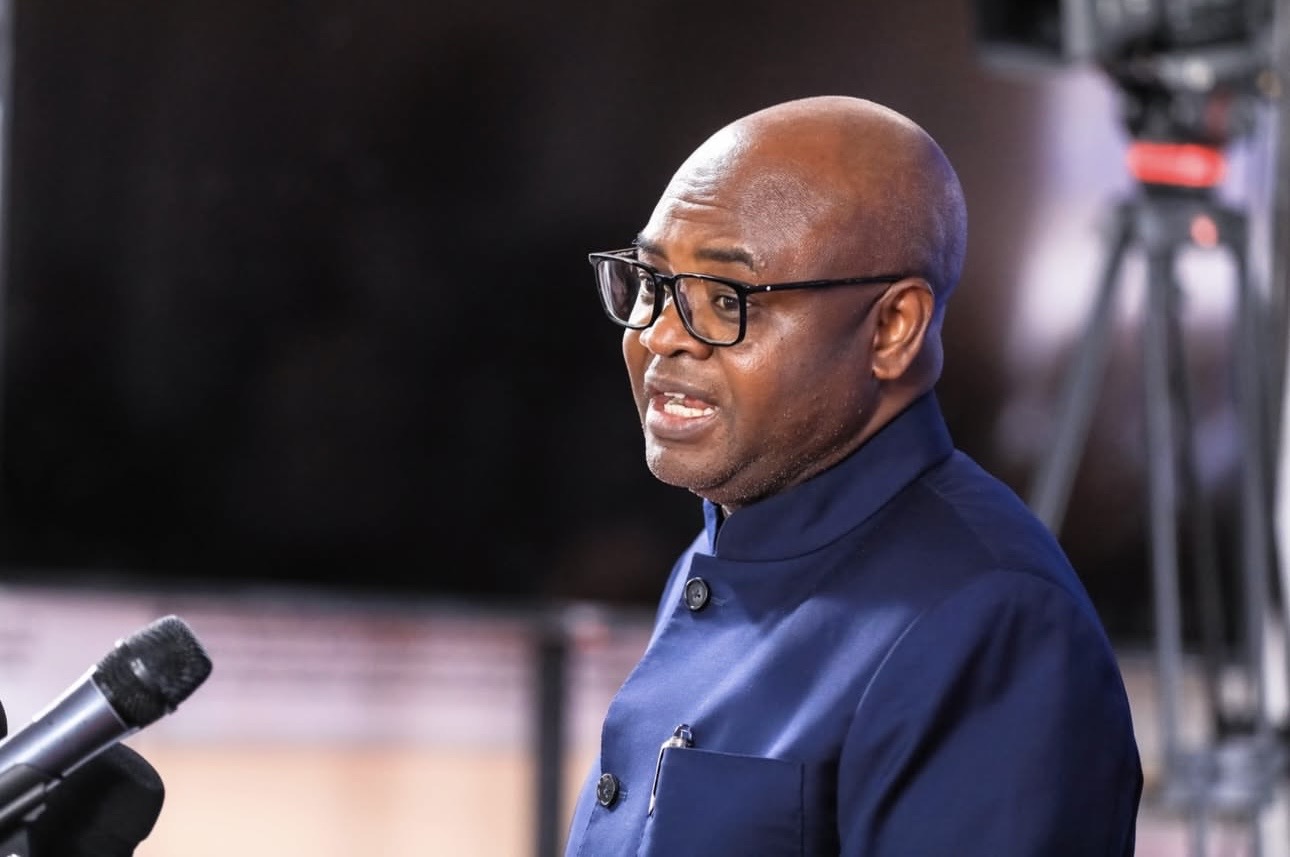
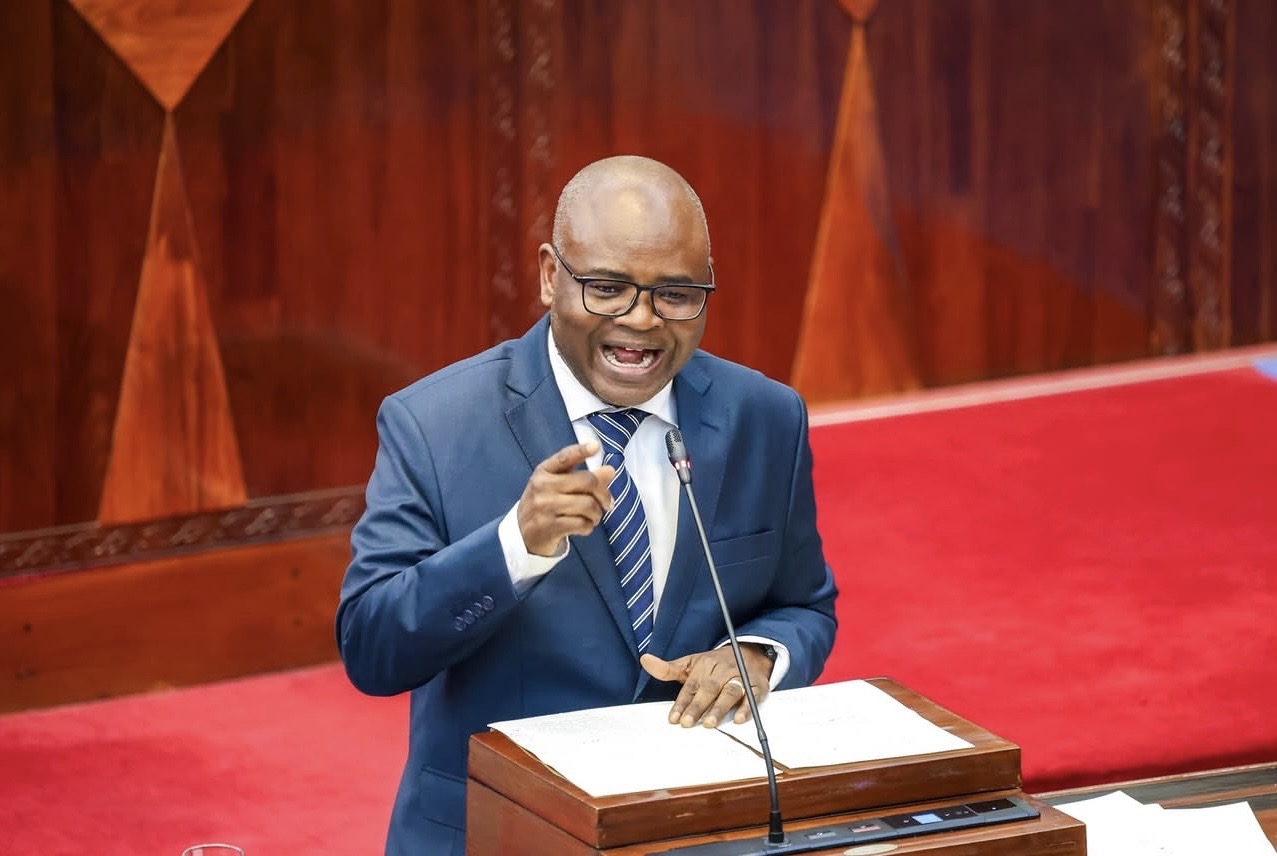
Prof. Mkumbo has consistently connected these themes in his academic and public roles. His background in education and social psychology informs his interest in human development, youth and the relationship between policy and people’s everyday lives. In his current role, he has emphasized that growth should be reflected in jobs and incomes, and has called for institutions to make room for innovation and young people’s ideas. Recent reporting on his remarks describes his focus on jobs, incomes and a culture that allows experimentation.

Evidence, planning and public leadership
Evidence based policymaking means grounding public decisions in reliable information, research and a clear understanding of likely results. It helps government identify priorities, allocate resources and assess whether programmes are achieving their intended outcomes.
Prof. Mkumbo’s academic experience and current planning responsibilities support this approach. As Minister of State for Planning and Investment, he works within the institutions responsible for translating national priorities into development plans and coordinating policy across sectors. His public statements on planning have emphasized the importance of data, scientific evidence and results in shaping development decisions.
His advocacy also connects human capability to economic transformation. Education and skills development are essential when businesses need workers who can use technology, improve production and respond to changing markets. Youth participation matters because young people are a large part of Tanzania’s present and future workforce. Innovation and digital transformation can create new opportunities, but only when people can access relevant skills, infrastructure and markets.

A continuing responsibility
Prof. Mkumbo’s current role is to help coordinate the national frameworks that connect these ambitions to government planning and investment. This includes working across institutions and with the private sector, universities, researchers and development partners. The work calls for long term direction as well as attention to implementation, so that national priorities translate into programmes and services.
His leadership perspective can be summarized through a consistent emphasis on competence, integrity, innovation and inclusion. These principles support a development approach that values expertise, accountable public service, creative solutions and wider participation in economic opportunity.
Together, these themes explain the wider purpose behind Prof. Mkumbo’s work: to help build a Tanzania where planning is guided by evidence, growth supports livelihoods, knowledge strengthens productivity and development reaches people across the country.